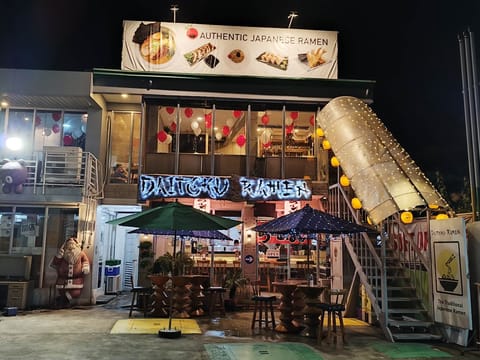
Two bowls on our ramen list carry a bestseller mark. One is the Daitoku Ramen Special, a loaded bowl that is its own story. The other is tantanmen, and if you have never ordered it, the name tells you nothing. Here is what it is.
A noodle dish that crossed a border
Tantanmen started life as dandan noodles, a Sichuan street food named for the shoulder pole, the dan dan, that vendors carried it on: a small, mostly dry bowl of noodles under chili oil, minced pork, and preserved vegetables. When Sichuan cooking reached Japan in the 1950s, cooks adapted the dish for local tables. More soup, sesame paste to round out the heat, ramen noodles instead of thin wheat ones. The Japanese reading of the same characters is tantanmen.
What it tastes like
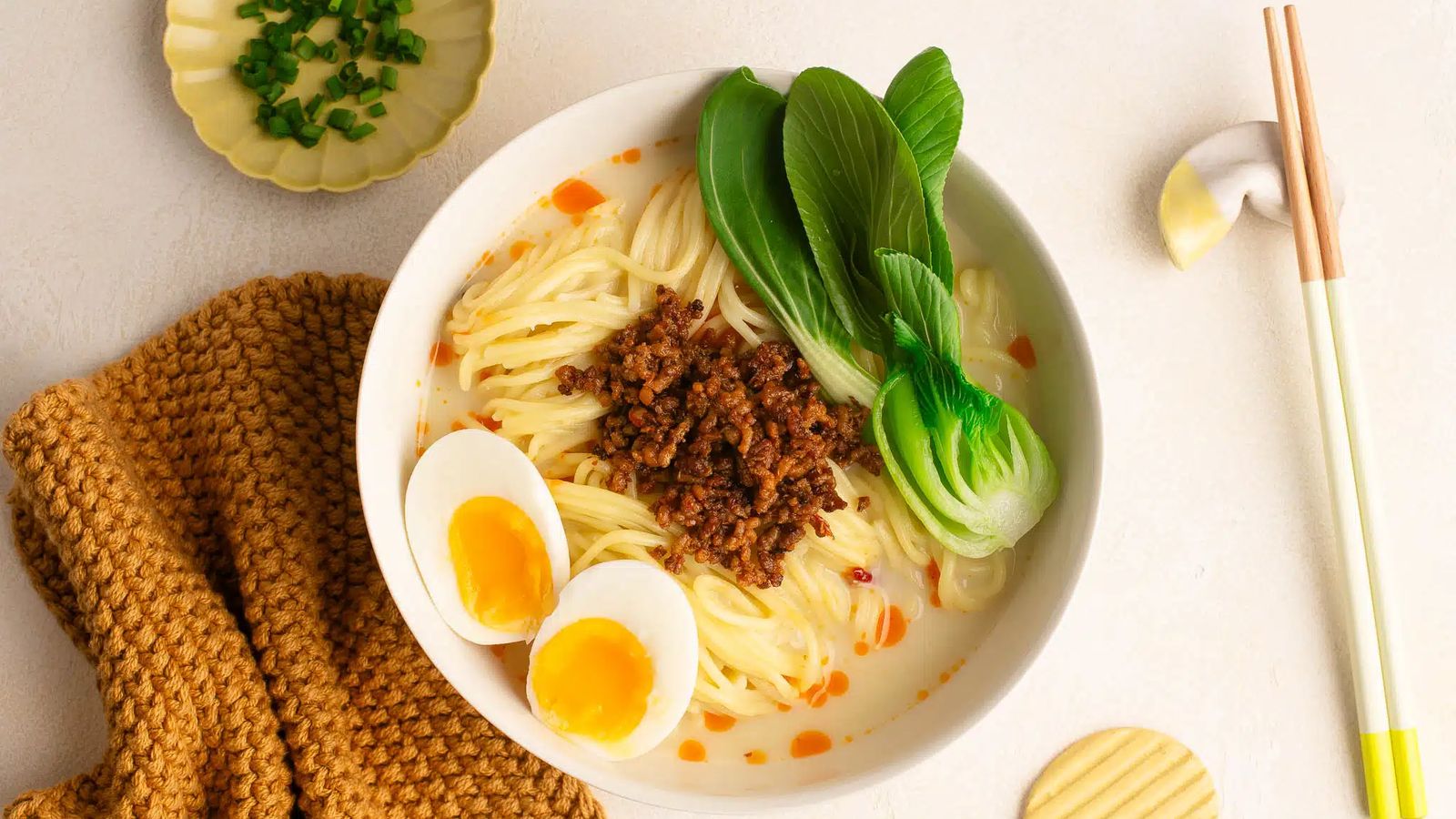
Two things happen in the same spoonful. Sesame paste gives the soup body and a nutty, faintly sweet base. Chili oil rides on top of that with real heat. The ground pork is seasoned in the same direction, so the bowl eats spicier as you go and the meat mixes in. Japanese tantanmen is usually gentler than its Sichuan parent, with the numbing peppercorn reduced or gone, but it still sits at the hot end of any ramen menu, including ours.
The Daitoku bowl
Our menu keeps the description short: sesame and chili broth with spicy ground pork. That is the honest shape of the dish. It is the only bowl on our ramen list built around heat, so if you want spicy, this is the order.
Pacing the heat
If you want the flavor with a slower burn, the add-ons list does the work. A marinated egg gives you something cool and plain between spoonfuls. A bowl of rice does the same job and catches the last of the soup. Bean sprouts stretch the broth. Gyoza on the side gives the table something mild to trade against the heat.
If you are unsure, order it anyway and ask for rice. The worst case is a glass of water and a good story.