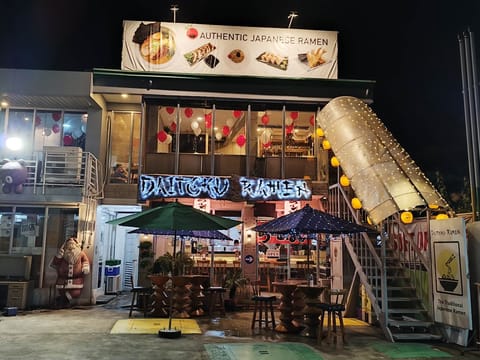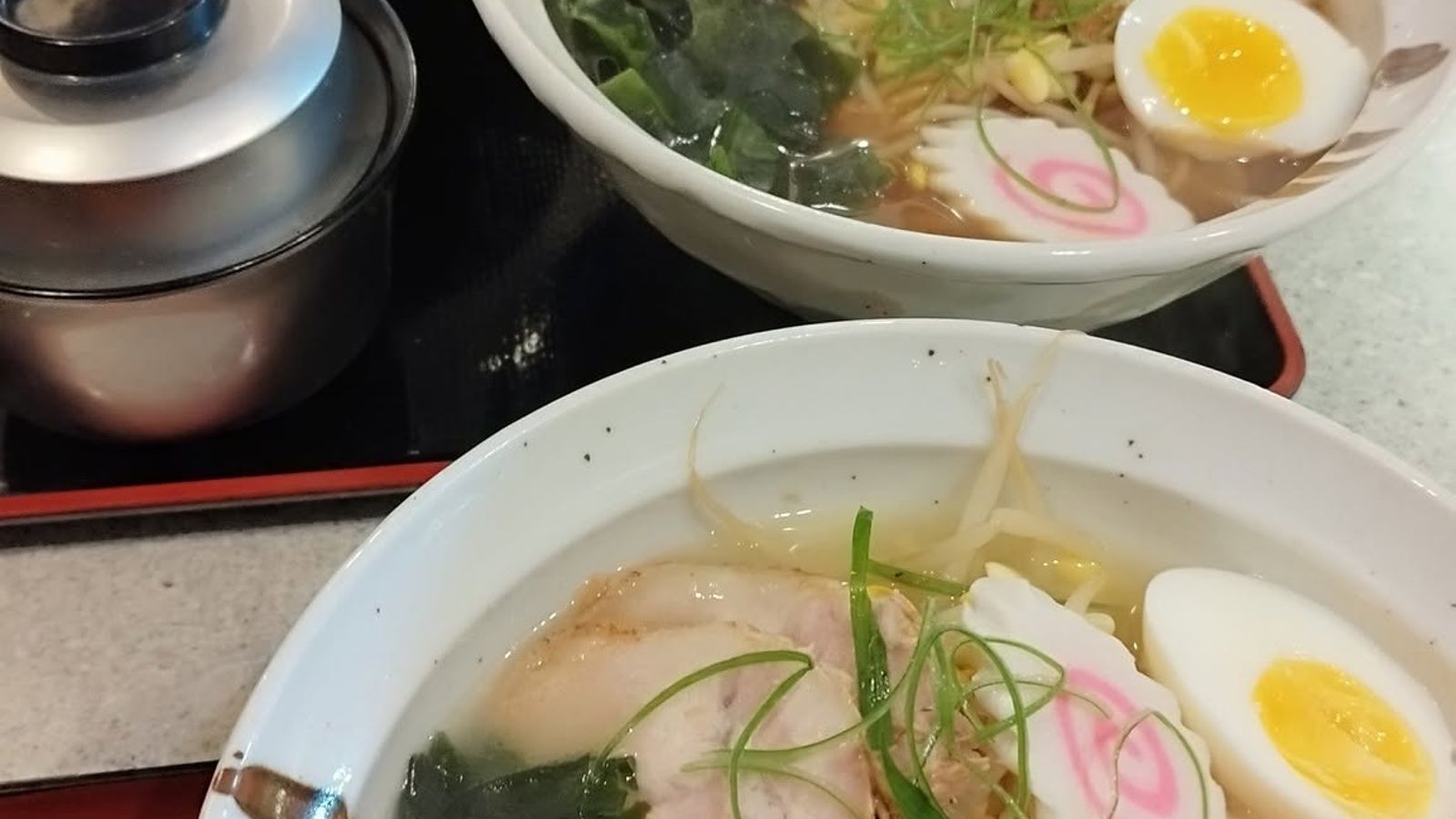
The ramen list at Daitoku runs five soups: shio, shoyu, miso, tonkotsu, and tantanmen. If you grew up on instant noodles the names blur together, but they are five different bowls, and the difference is mostly the soup. Here is what each one is and how to pick.
Shio and shoyu: the clear soups
Shio means salt. It is the oldest way of seasoning ramen and the lightest: a clear soup where the seasoning stays out of the way and the noodles and toppings carry the bowl. Our menu keeps the description honest: clear salt broth, light and clean.
Shoyu means soy sauce. Same idea, one step further: the soy brings color and a mild tang, so the soup turns amber and tastes fuller without getting heavy. If shio is the quietest bowl on the list, shoyu is one notch up. These two are the lightest of the five, which makes them the easy call for lunch or a smaller appetite.
Miso: the thick one from the north
Miso is fermented soybean paste, and miso ramen comes from Hokkaido, where the winters asked for a soup with more insulation. The paste turns the broth cloudy, a little sweet, and noticeably thicker than the clear soups. We serve a straight miso bowl, and a Miso Kakuni that adds braised pork belly and green onion on top.
Tonkotsu: the creamy one
Tonkotsu is not a seasoning, it is a method. Pork bones get boiled until the collagen and fat break down into the liquid, which turns the soup opaque, almost milky, with a texture that coats the spoon. Ours is listed plainly: pork bone broth simmered until creamy. If you have seen photos of ramen with a pale, cloudy soup, that was probably tonkotsu.
Tantanmen: the spicy one
Tantanmen is the outlier. It started as a Sichuan noodle dish and was adapted in Japan into a soup: sesame paste gives it body and a nutty edge, chili oil gives it heat, and spicy ground pork sits where the chashu slices usually go. It is one of the two bowls marked as a bestseller on our ramen list, and it gets its own longer write-up in What is tantanmen?.
Side by side
| Soup | Base | Body | Pick it if |
|---|---|---|---|
| Shio | Salt | Lightest, clear | You want the noodles and toppings up front |
| Shoyu | Soy sauce | Light, clear, amber | You want light with a little more depth |
| Miso | Soybean paste | Medium, cloudy | You want warm and filling without pork-bone weight |
| Tonkotsu | Pork bone | Heavy, creamy | You want the thick soup that coats the spoon |
| Tantanmen | Sesame and chili | Heavy, spicy | You want heat |
The bowl that skips the decision
If you cannot pick, the menu has a built-in answer. The Daitoku Ramen Special lets you choose any of the five soups, then loads the bowl: a marinated egg, five slices of chashu, five sheets of nori, naruto, and bean sprouts. It is the most direct way to try a soup at full strength, because everything else in the bowl is already decided.
Add-ons if you want to steer
Every bowl takes add-ons. Extra chashu or kakuni if you are hungry, a marinated egg if your bowl does not come with one, kikurage, corn, or butter if you want to push a miso or tonkotsu bowl further north in spirit. Extra noodles exist for the people who always want extra noodles.
Whichever soup you land on, taste it before you touch anything else in the bowl. That first spoonful tells you whether you picked right.